The Beaches of Playa Grande, Costa Rica
PLAYA GRANDE · VENTANAS · CARBÓN
Timeless Beauty Awaits You
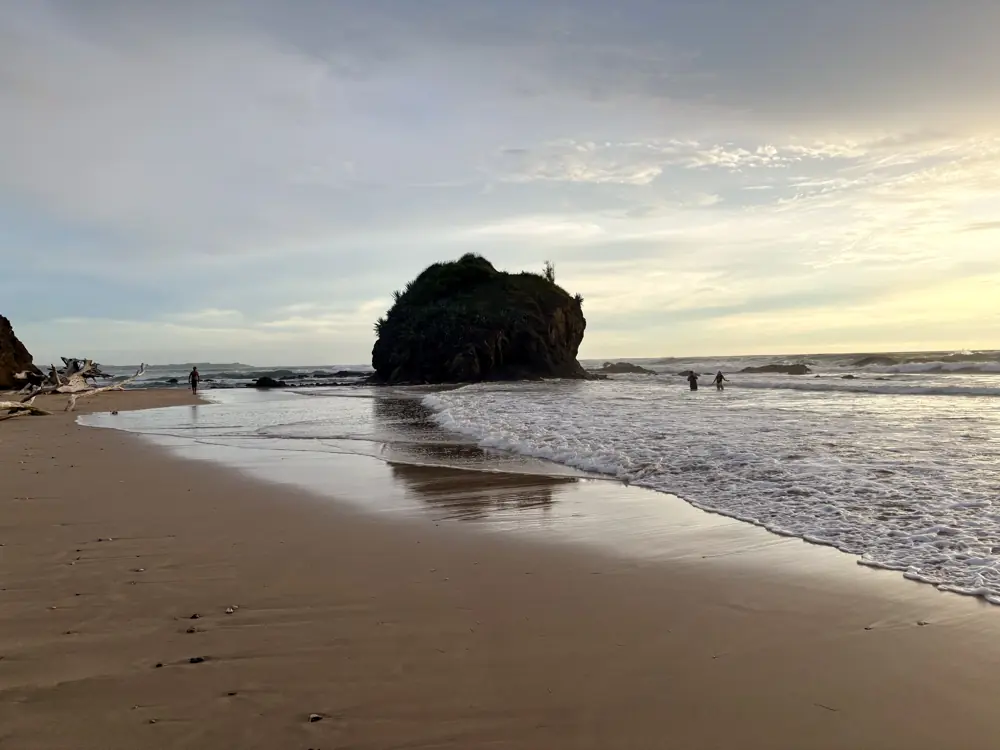
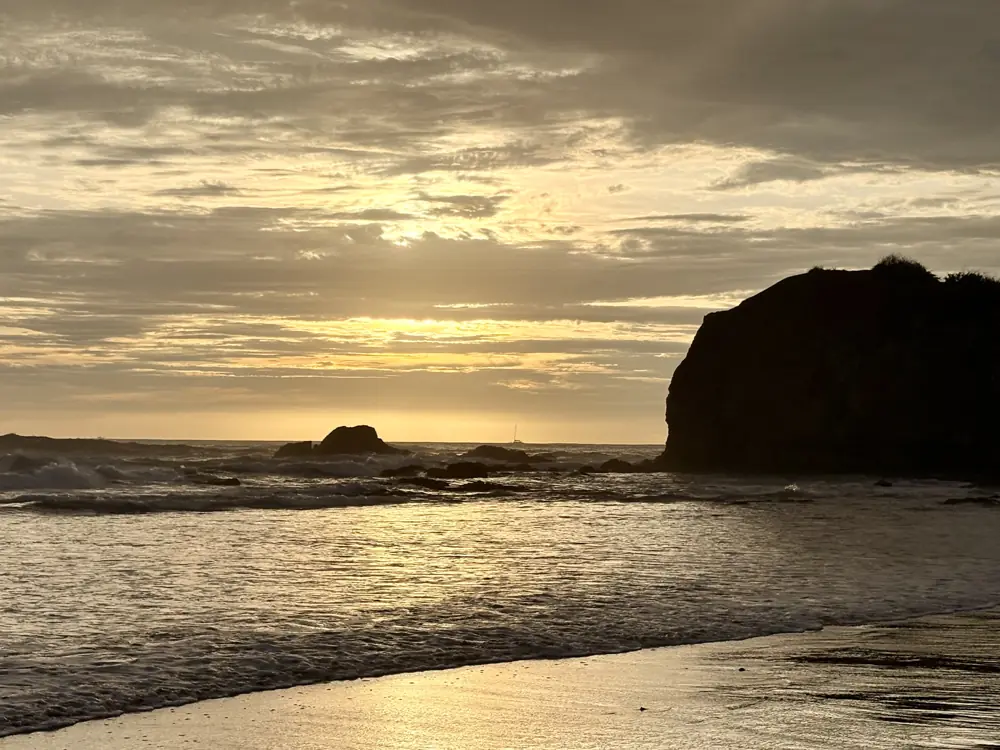
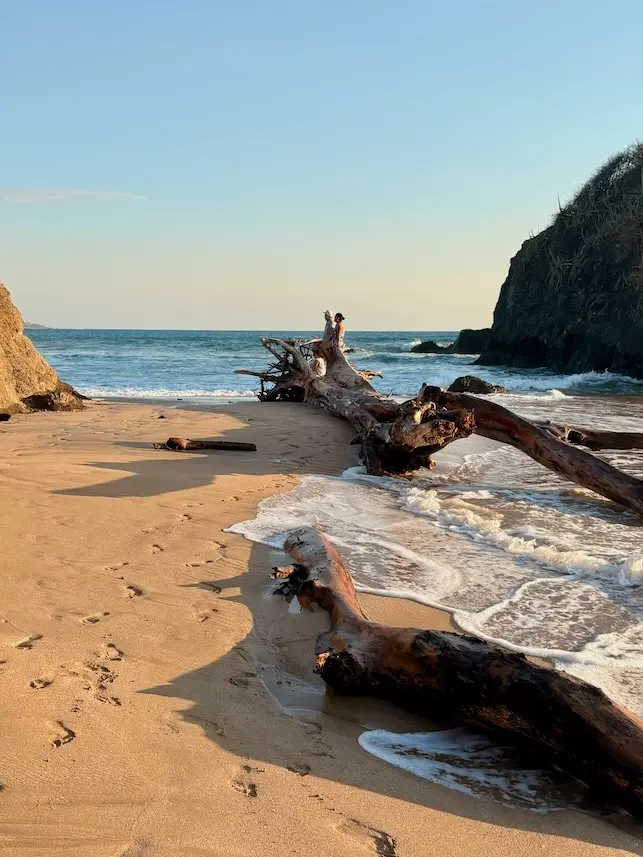
Together, Playa Grande, Playa Ventanas, and Playa Carbón create about 6 kilometers of spectacular Pacific coastline to explore. From Playa Grande’s expansive golden sands and world-renowned surf breaks, to the secluded beauty of Playa Ventanas and the rugged natural scenery of the volcanic sand of Playa Carbón, each beach offers its own unique atmosphere, landscapes, wildlife, and unforgettable sunsets.
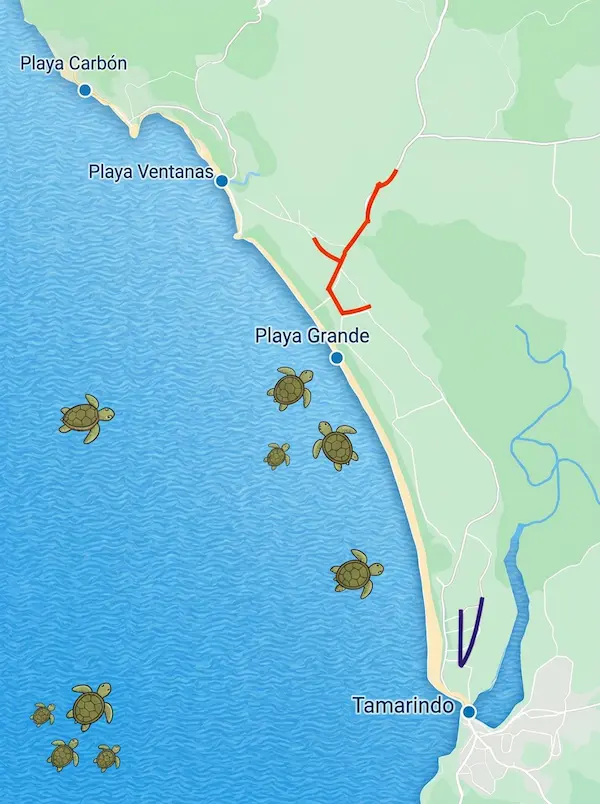
Red: Playa Grande village · Blue: Palm Beach Estates, by the estuary
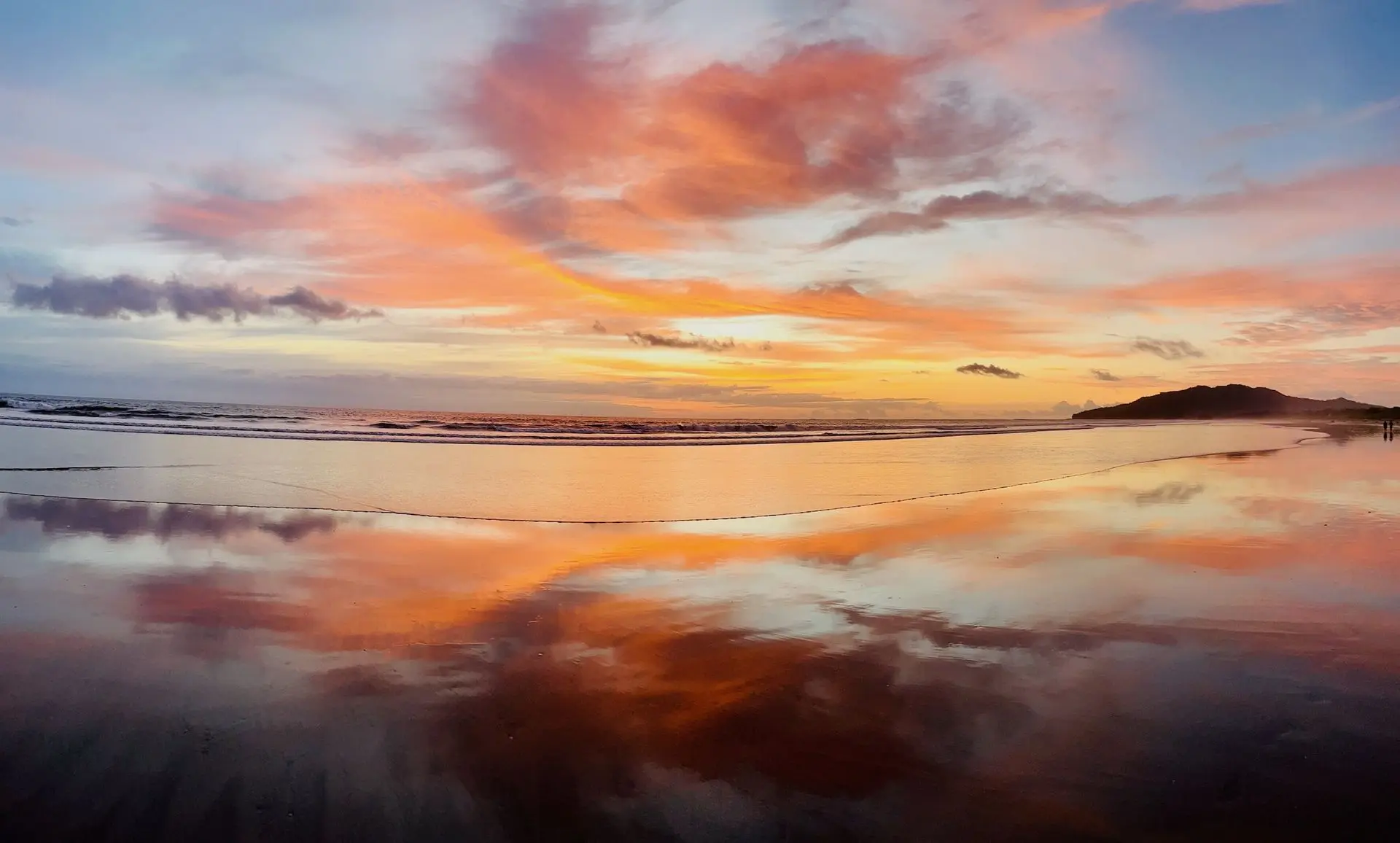
Embrace Pure Serenity
Playa Grande at a glance
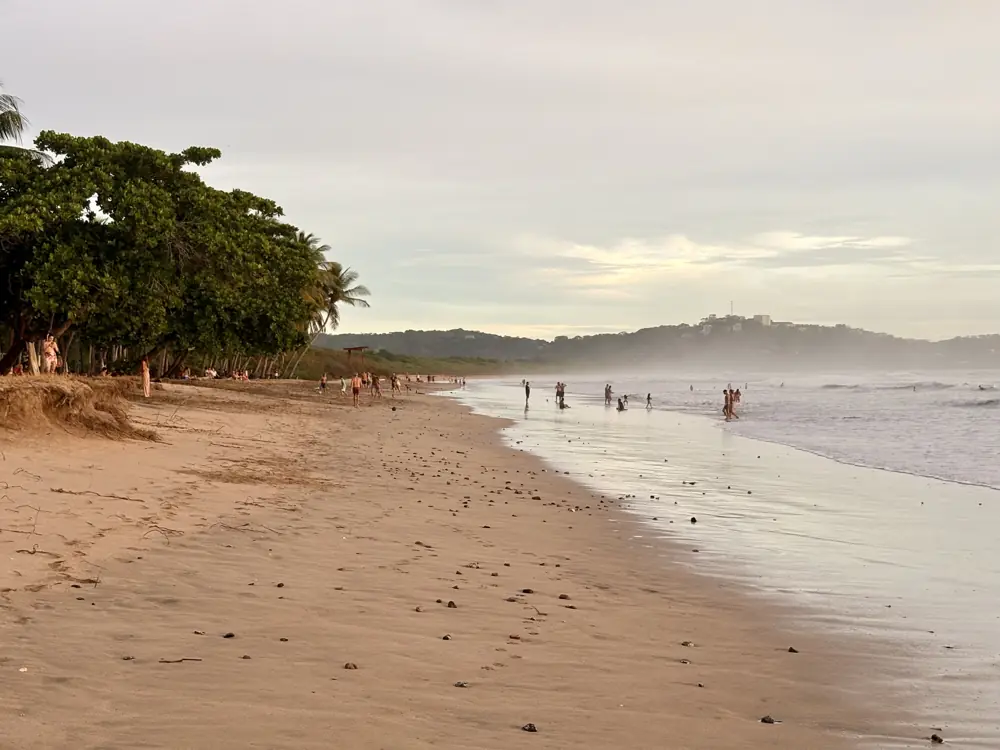
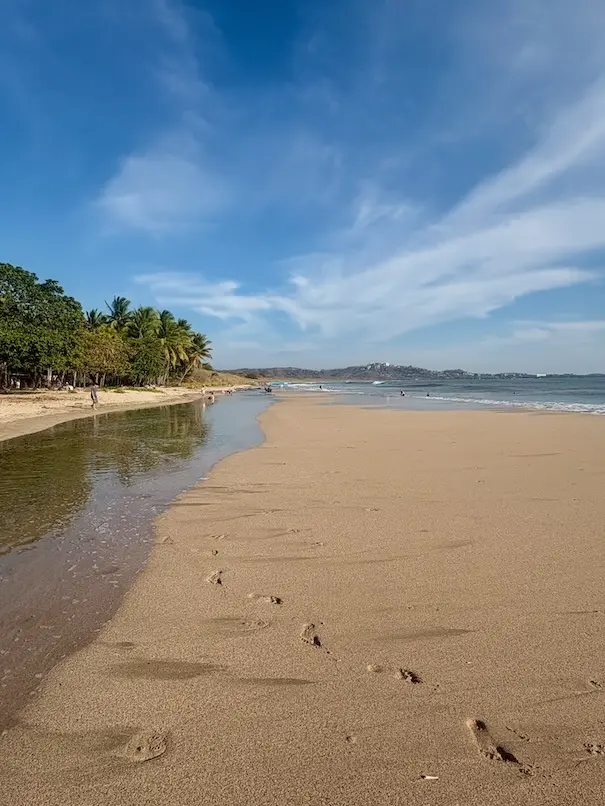
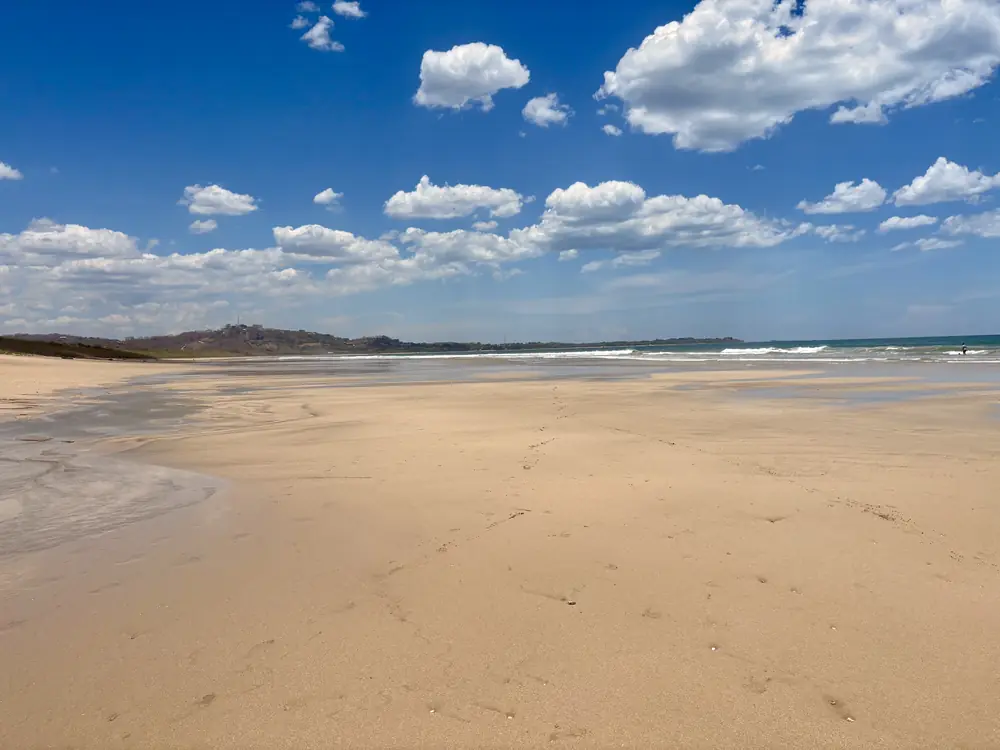
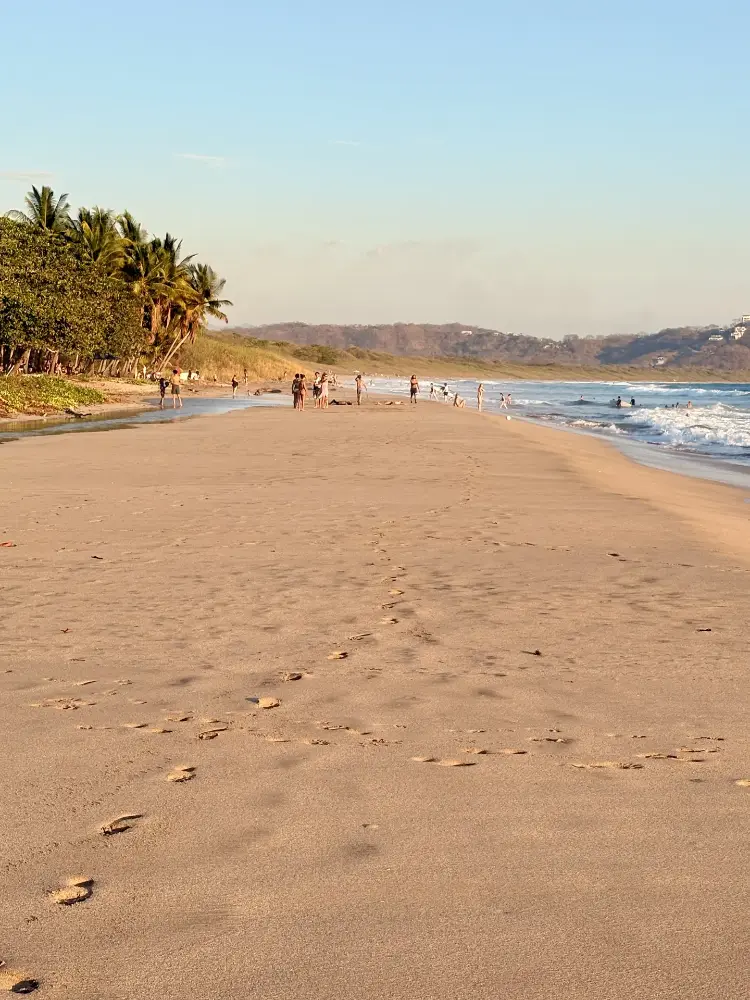
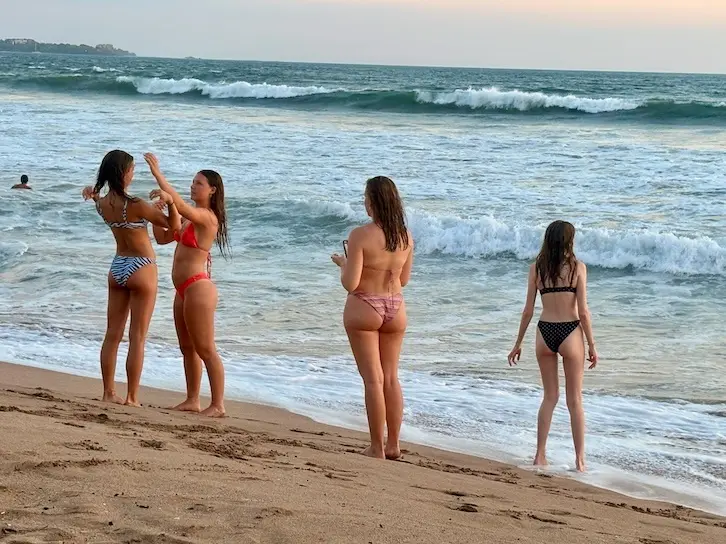
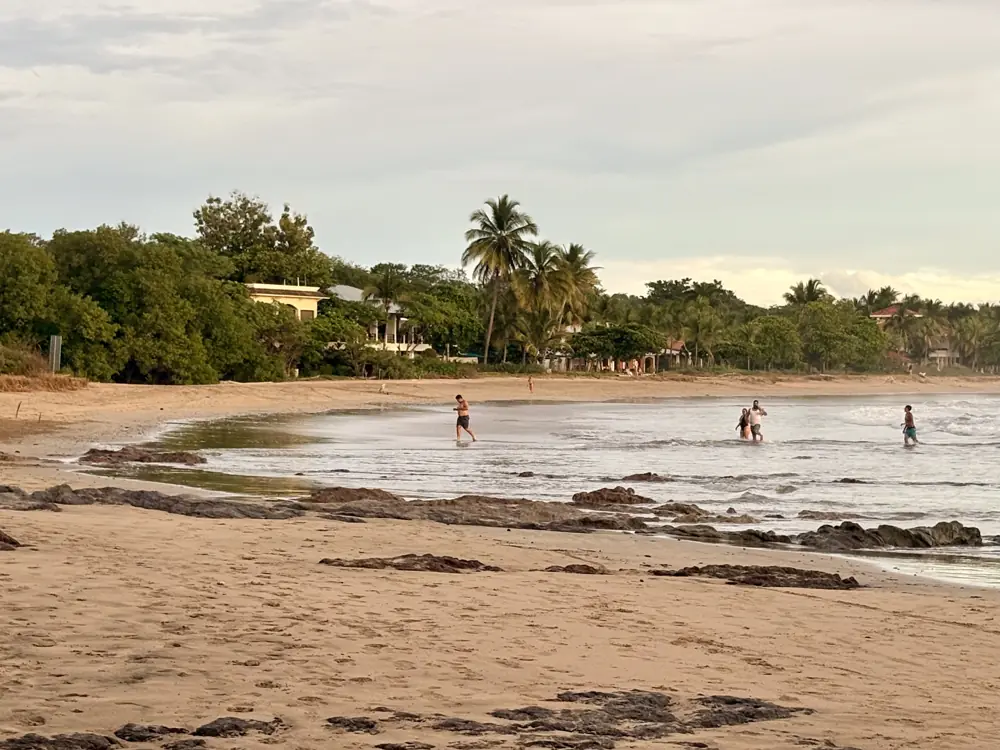
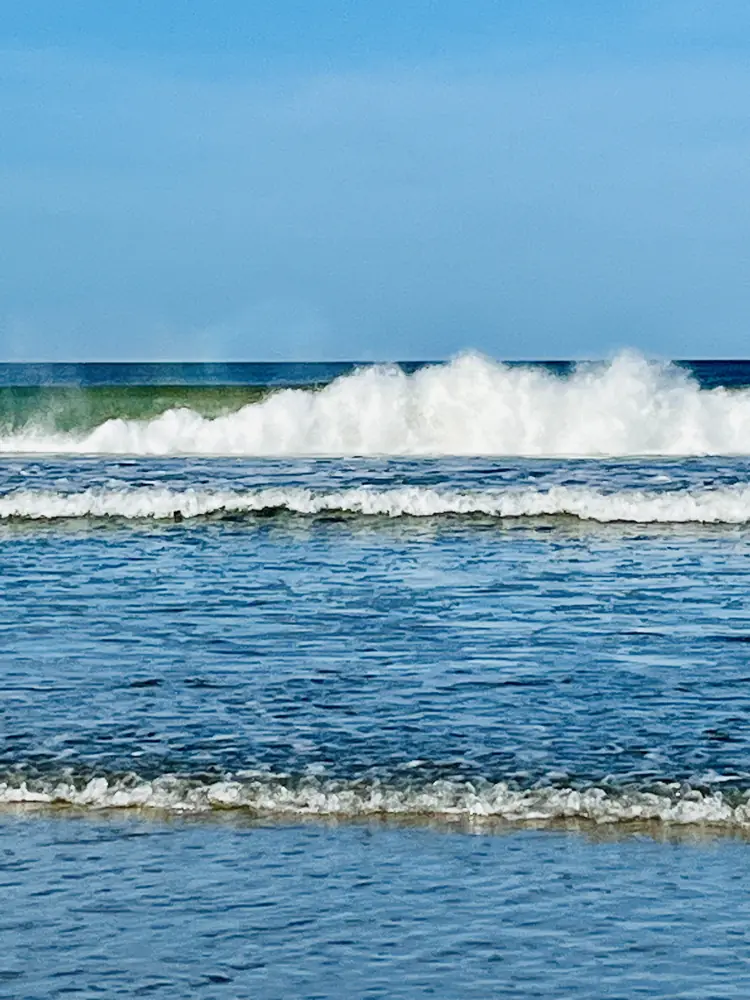
Kilometers of wide, golden sand inside Las Baulas National Marine Park, with no buildings on the beach itself. This is the one surfers travel for: a consistent beach break that works on almost any swell.
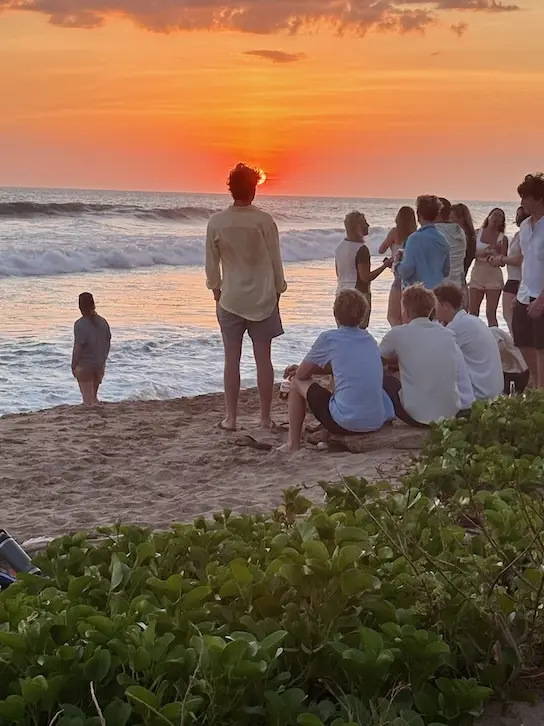
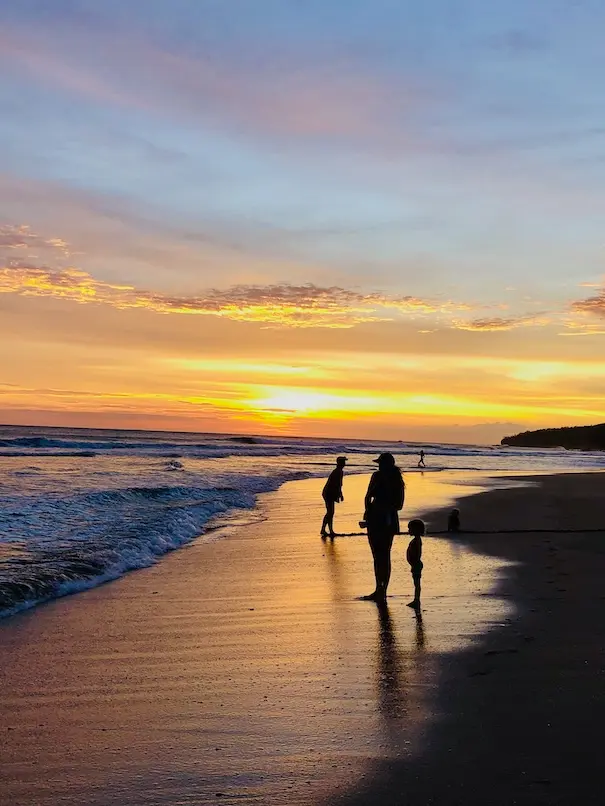
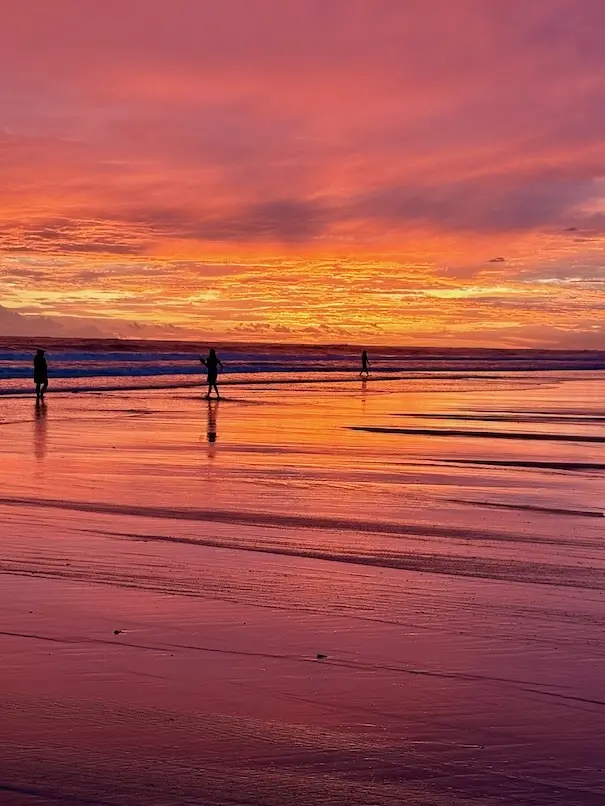
Best for: Surfing and boogie boarding, long walks or runs along the water’s edge, golden sunsets that turn pink and purple when the clouds are just right, and, let’s not forget, tons of space to yourself to get lost in your own thoughts on a quiet, endless beach
Access: Main entrances in the village (red on the map) and paths from Palm Beach Estates (blue) at the south end. Walking the full length, from the Tamarindo estuary to Dante’s Peak, takes about an hour
Note: Remember where you entered the beach. Apart from a few structures, the shoreline is an endless wall of trees, and it’s easy to get turned around. Access marker #9 leads to the RED area. In the BLUE area, each path off the beach is easy to spot, which makes finding your way out much simpler
Facilities: None on the sand. No vendors, chairs, or umbrellas, but as soon as you leave the beach there are plenty of places to find what you’re looking for
Insider tip: Walk south at low tide for the emptiest stretch and the best sunset reflections. Never swim across the estuary to Tamarindo, even at the lowest tide. You never know what might be lurking! Instead, wave to the boatmen on the other side and they’ll pick you up for $2–3 USD
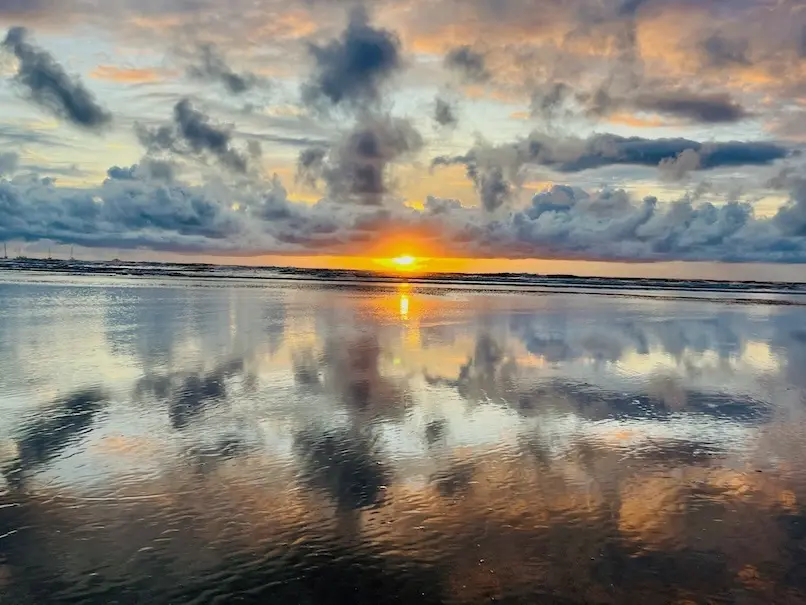
Get lucky: Stay for the afterglow. Just after the sun sets, its light bounces off the underside of the clouds and the sky turns pink and purple See it →
Get lucky: In the green season (May to October), a light rain falls almost every afternoon. Be on the beach when it does and watch the rainbows appear See it →
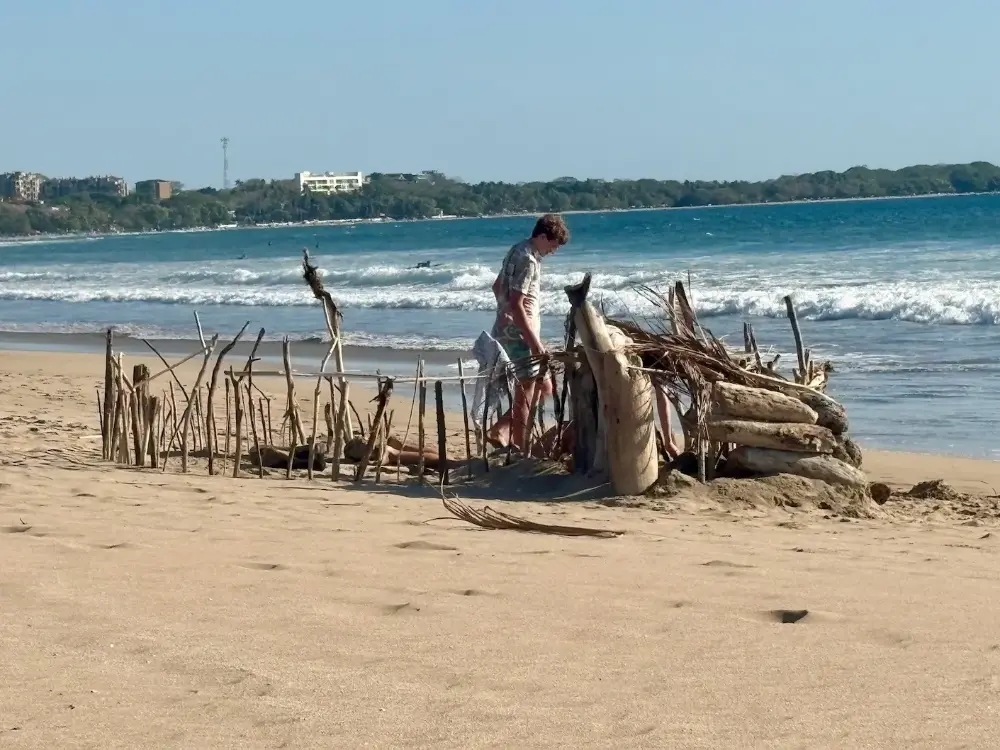
Rediscover yourself
Playa Ventanas at a glance
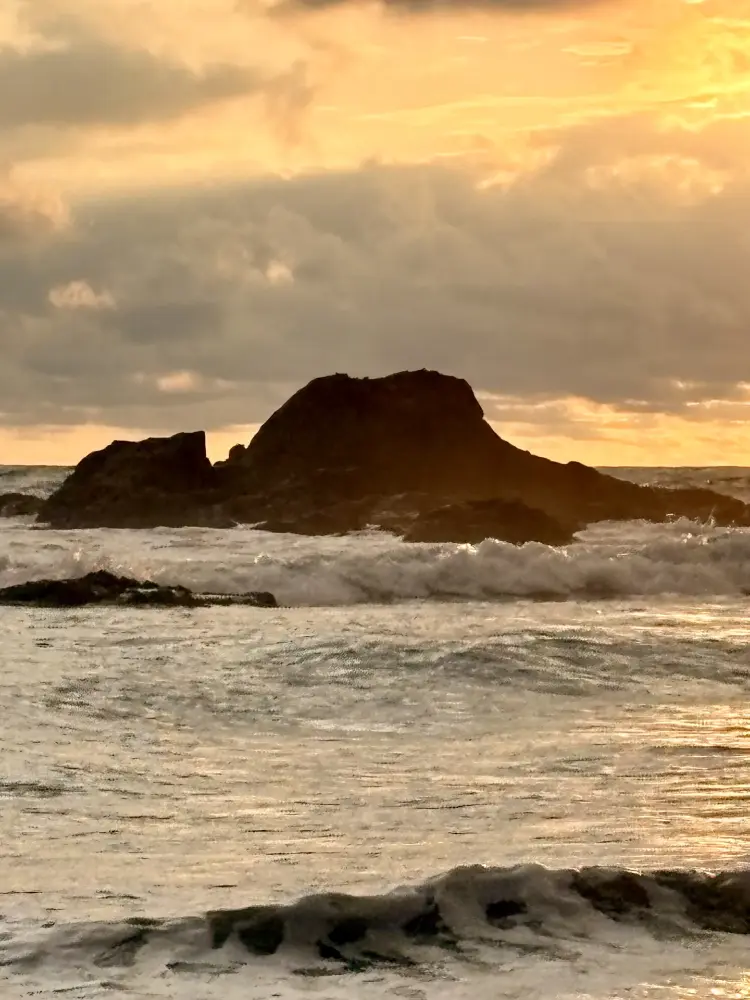
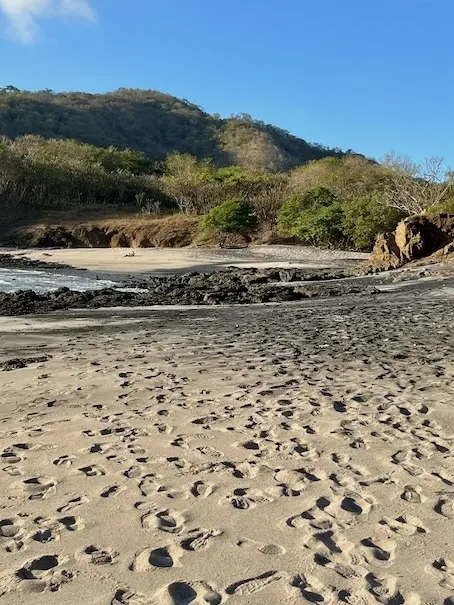
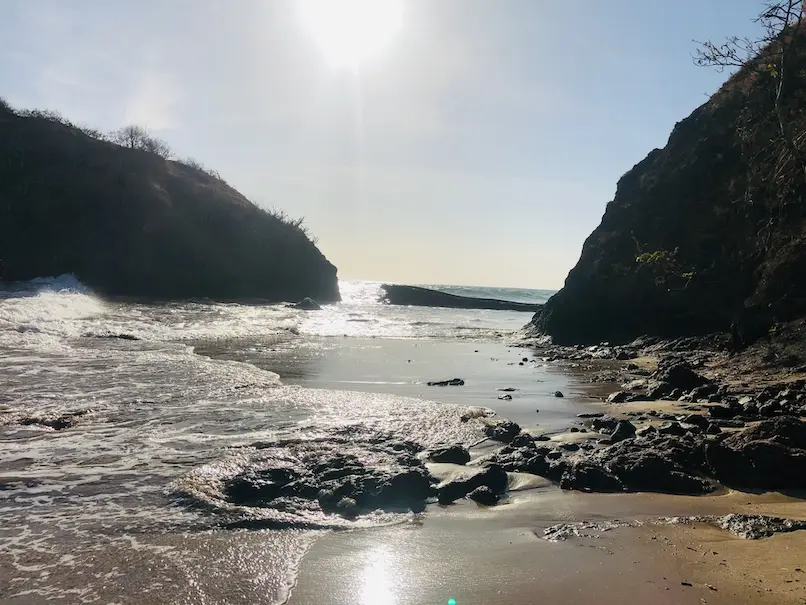
A small cove just north of Playa Grande, framed by rocky headlands. At low tide the rocks reveal the arches and tide pools that give Ventanas (“windows”) its name.
Best for: Tide pools, calm-day swims, and photography
Access: Walk north along the beach. Dante’s Peak marks the start of Ventanas, and the walk to the far end takes about 25 minutes
Facilities: None on the beach. Bring water and shade
Insider tip: At high tide, the path between Dante’s Peak and the coast is underwater. Time your walk accordingly
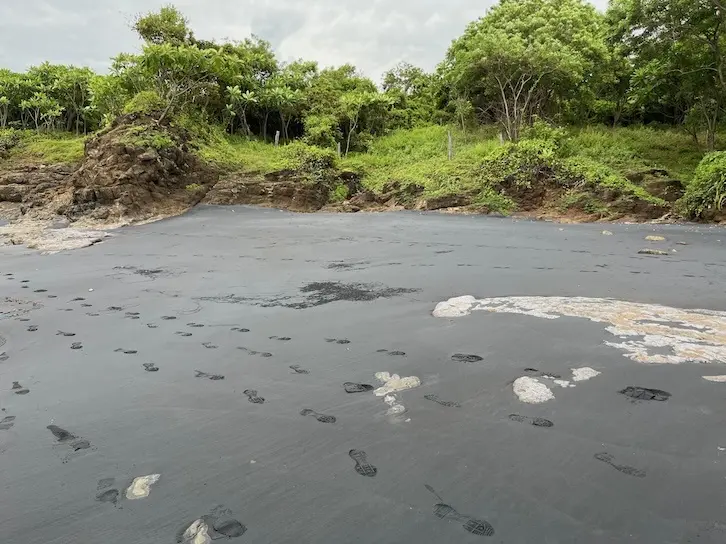
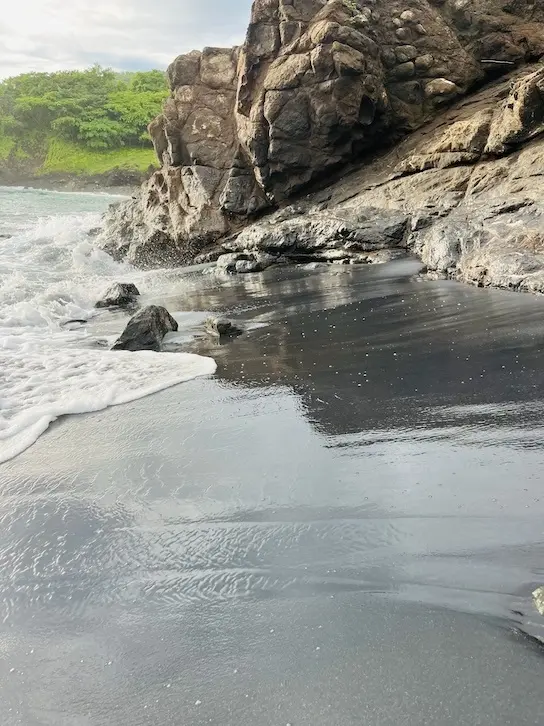
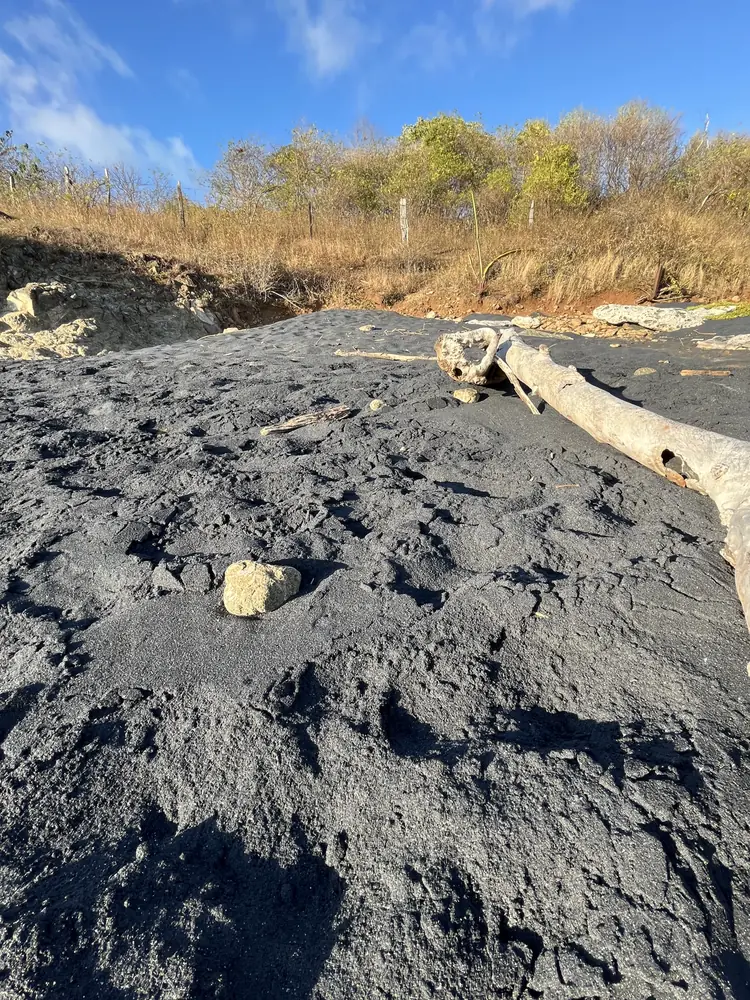
Rugged, dark-sand shores
Playa Carbón at a glance
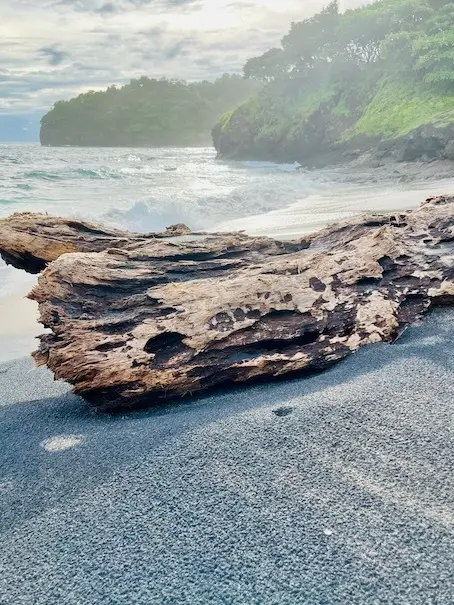
The wildest of the three: darker sand, rocky outcrops, and almost nobody around. Come for the scenery and the solitude, not the swimming.
Best for: Solitude, beach walks, dramatic sunsets, and telling your friends you “checked it out”
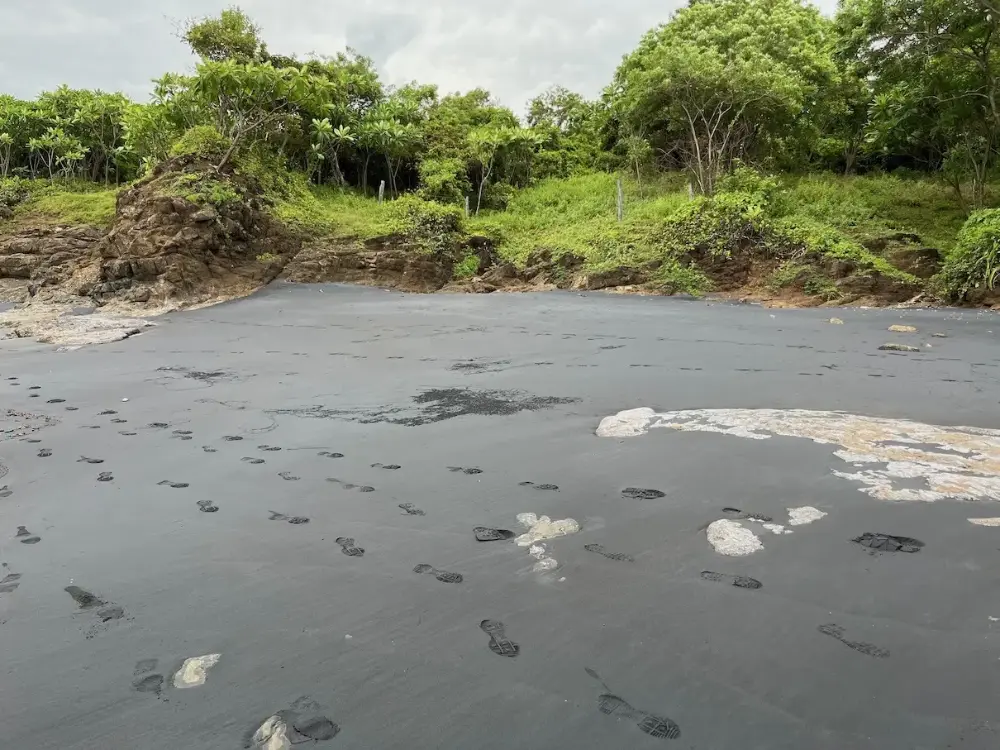
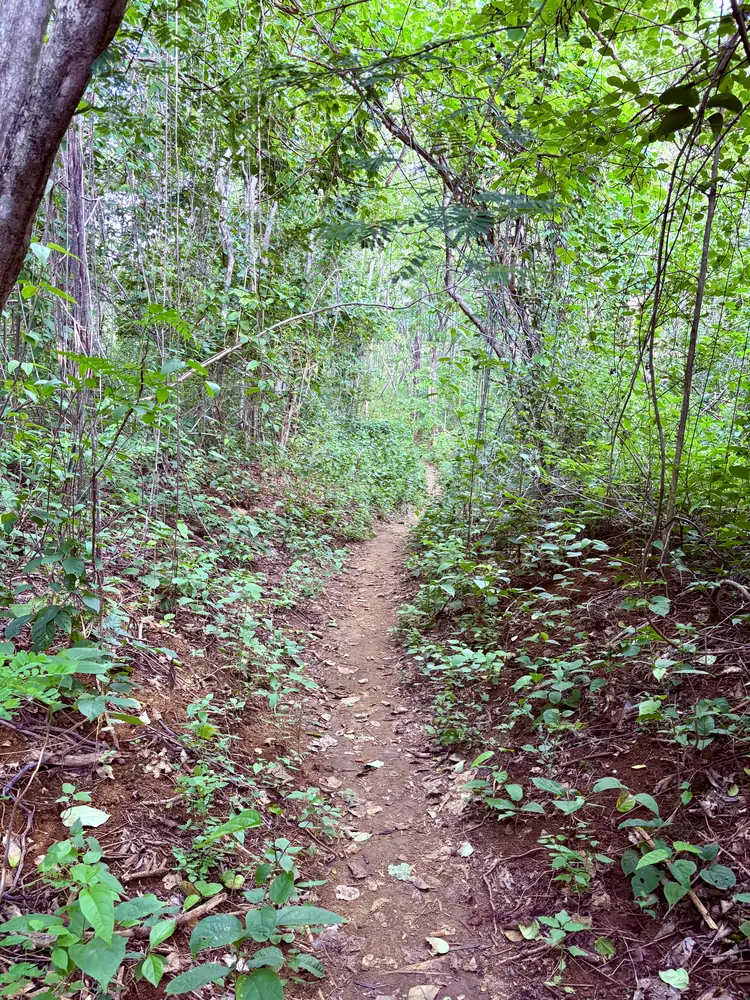
Access: A hidden path, and the tricky part is knowing where it starts. Look for it behind the largest tree at the north end of Playa Ventanas. It’s a 5-minute walk on a well-worn trail, but it can be slippery after rain
Facilities: None
Insider tip: Make sure you know where the path is for the walk back. Don’t get so overwhelmed by the beauty that you forget! Go at low tide, bring water, and tell someone where you’re going. Phone signal can be weak
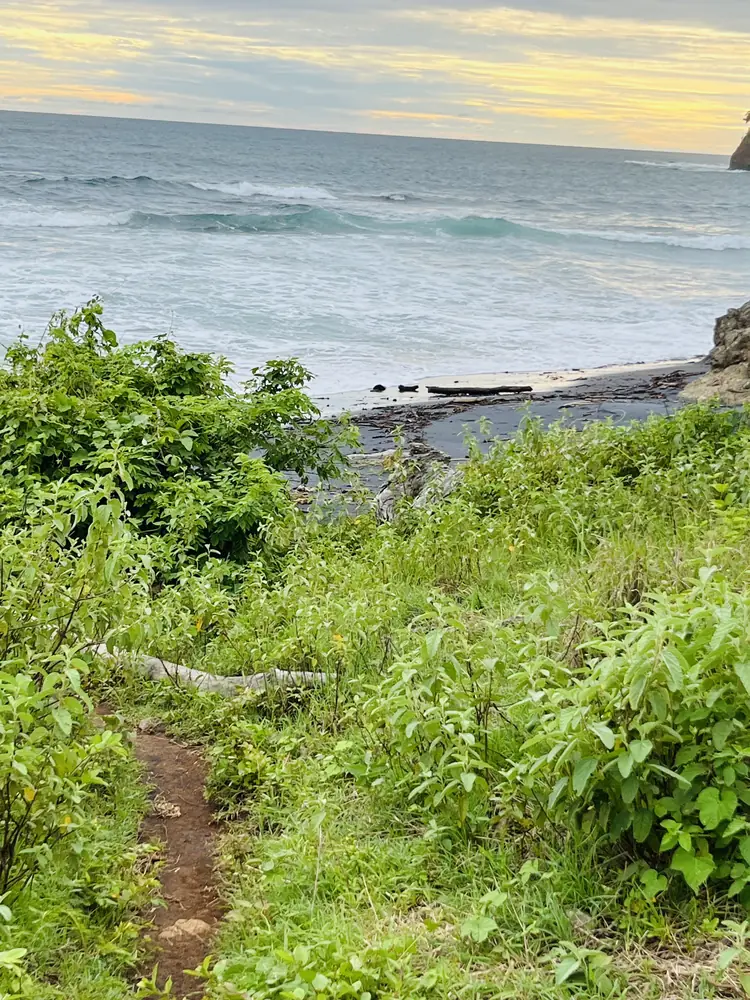
This is where the trail comes out at Playa Carbón. Look back and remember it for the walk home.
Before you go
A few things every visitor should know.
Rip currents. Playa Grande’s surf is powerful, so know the tide times. In the hours before low tide the water is draining out and the pull is strongest, but rip currents can happen at any time. They’re common, so don’t panic. If you feel one pulling you out, swim parallel to the shore, keeping one eye on the incoming waves, until you’re free, then head in. Never swim alone.
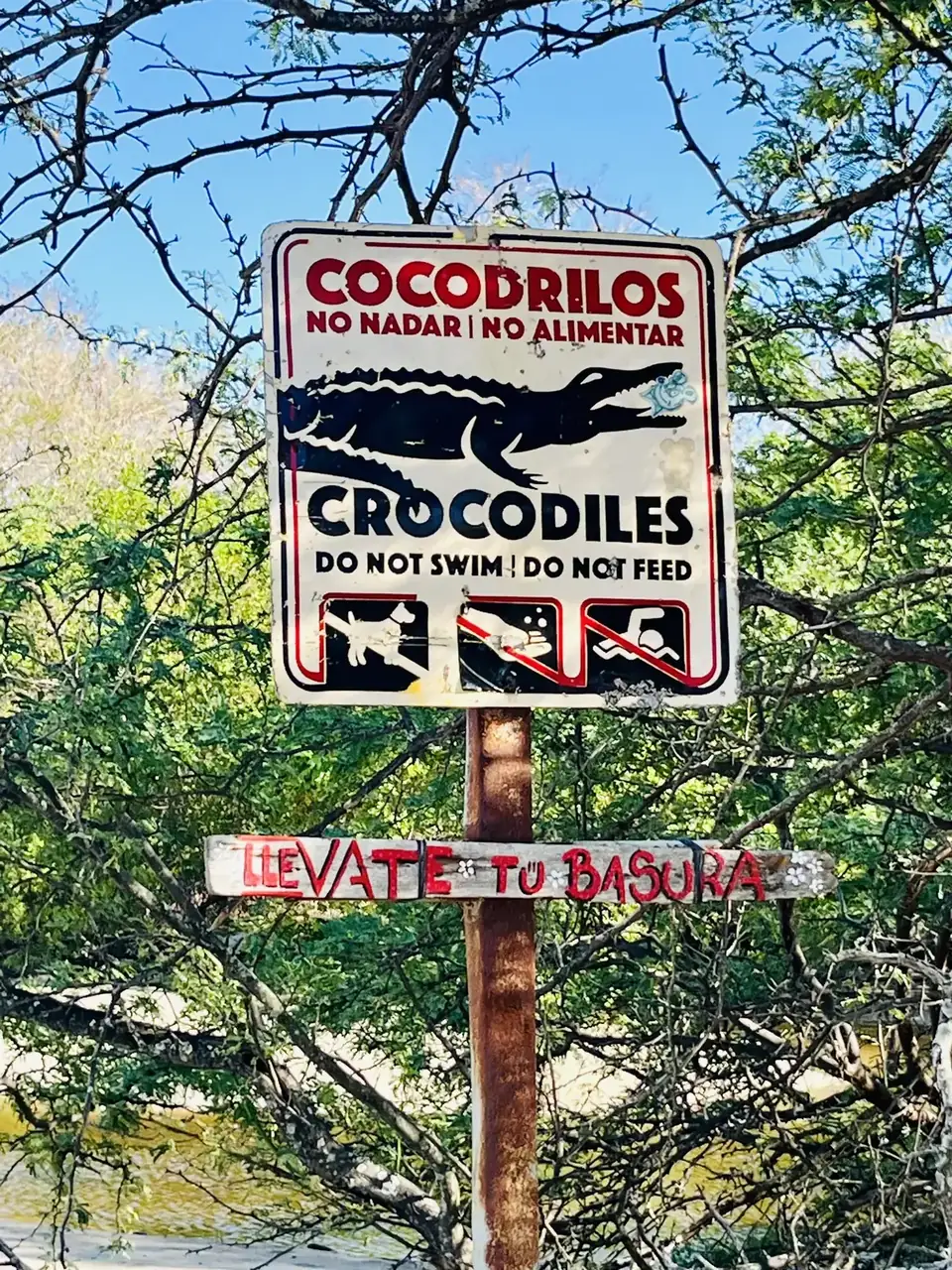
Crocodiles. Don’t swim in the estuary. Boatmen are happy to come pick you up and take you across. Bring $2–3 USD each way.
Turtle season. Playa Grande was once the largest leatherback nesting beach on the Pacific coast of the Americas, and a few still nest here each season. From roughly October to March, the beach closes every evening until early morning, and night turtle tours are currently suspended. No flashlights, flash photos, or dogs on the sand after dark. More about the turtles →
Tides. Walking between beaches and reaching the Ventanas tide pools depends on low tide. Check a tide chart before you set out.
Leave no trace. No vehicles, glass, or fires on the beach. Pack out everything you bring.
Sun. There’s little shade on the sand. Bring water, a hat, and reef-safe sunscreen.